
The water transmission main at this site had been in service for more than 50 years and consisted of galvanized steel pipes (GSP). Severe internal red rust corrosion had developed within the 300 mm diameter pipeline, prompting consideration of decommissioning the facility in the near future. However, before further deterioration could occur, the red rust corrosion prevention and pipe rehabilitation device Pipetector was selected as a remedial measure. The solution reduced the estimated pipeline renewal cost from approximately ¥1 billion (at the time of quotation) to less than one-fiftieth of that amount.
Prior to the installation of Pipetector, water that had stagnated in the pipeline for three days (72 hours) was sampled from a terminal branch pipe with an internal diameter of 120 mm. The sampled water exhibited a brown discoloration, and water quality analysis revealed a total iron concentration of 19 mg/L. These findings confirmed that internal red rust corrosion had progressed significantly throughout the pipeline.
Four weeks after installation, water samples collected under the same conditions showed a noticeable improvement in appearance, with the water changing from brown to a light brown color. The total iron concentration decreased substantially to 8.6 mg/L, indicating that the progression of red rust corrosion had been effectively controlled within a short period. At the same time, red rust deposits on the internal pipe surface, as well as rust particles suspended in the water, began to convert into stable, insoluble black rust (magnetite), a passive substance that helps protect the pipe from further internal deterioration.
A subsequent survey conducted eight weeks after installation demonstrated continued improvement. Water discoloration was further reduced, and the total iron concentration declined to 3.6 mg/L, less than one-fifth of the pre-installation level.
Continued use of Pipetector is expected to facilitate the conversion of the remaining red rust layer into stable black rust. Once this process is complete, internal red rust corrosion will be effectively eliminated. Provided that external corrosion is adequately controlled, the assessment confirmed that this water transmission main can remain in service for more than 40 additional years.
Summary
| Location | Water Main in Miyagi Prefecture, Japan |
|---|---|
| Facility | Over 50 years old, 300 mm diameter, 9.3 km long water main |
| Installation Date | November 2025 |
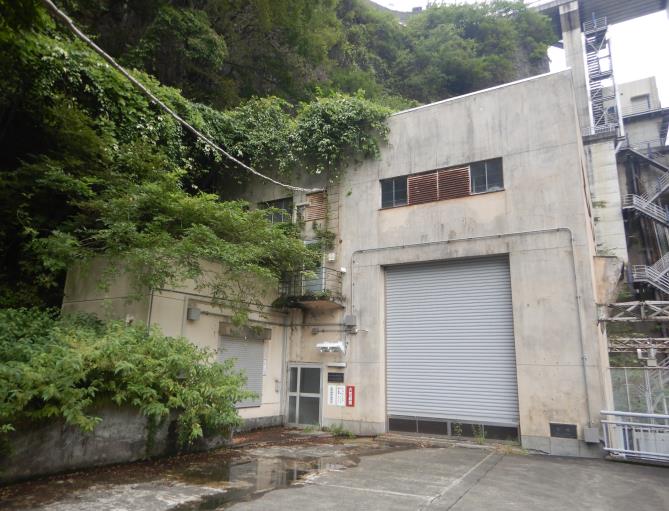
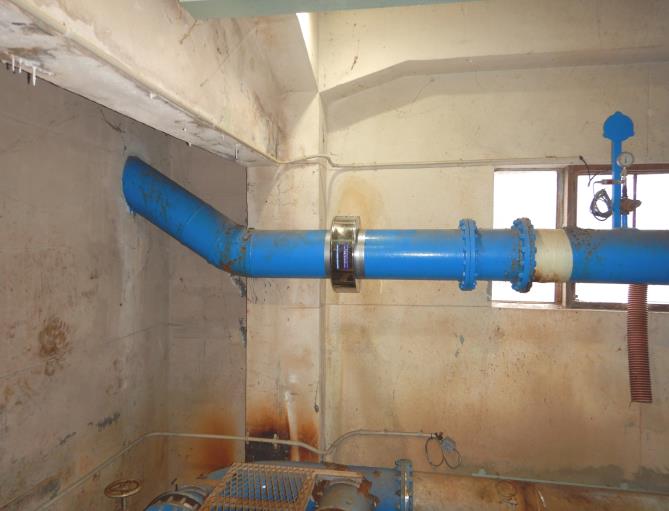
| Installed Unit | One unit of PT-300DS on the 300 mm diameter water main (GSP), outlet side of the water pump. |
Water Quality Test Results
Analysis conducted on the water sampled after 72 hours of stagnation
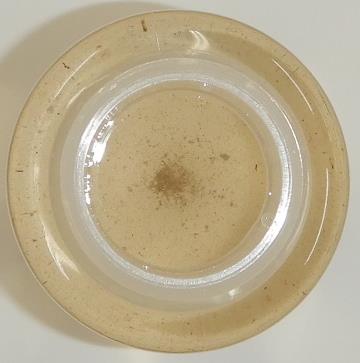
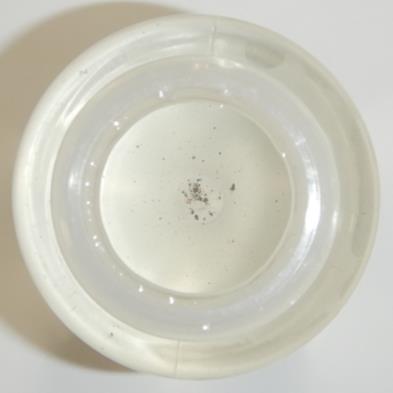
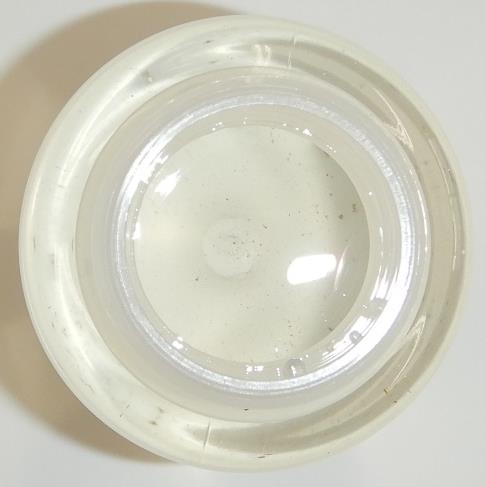
| Before Installation | 4 Weeks After Installation | 8 Weeks After Installation |
| 19 mg/L | 8.6 mg/L | 3.6 mg/L |
Water Quality Test Results Graph
